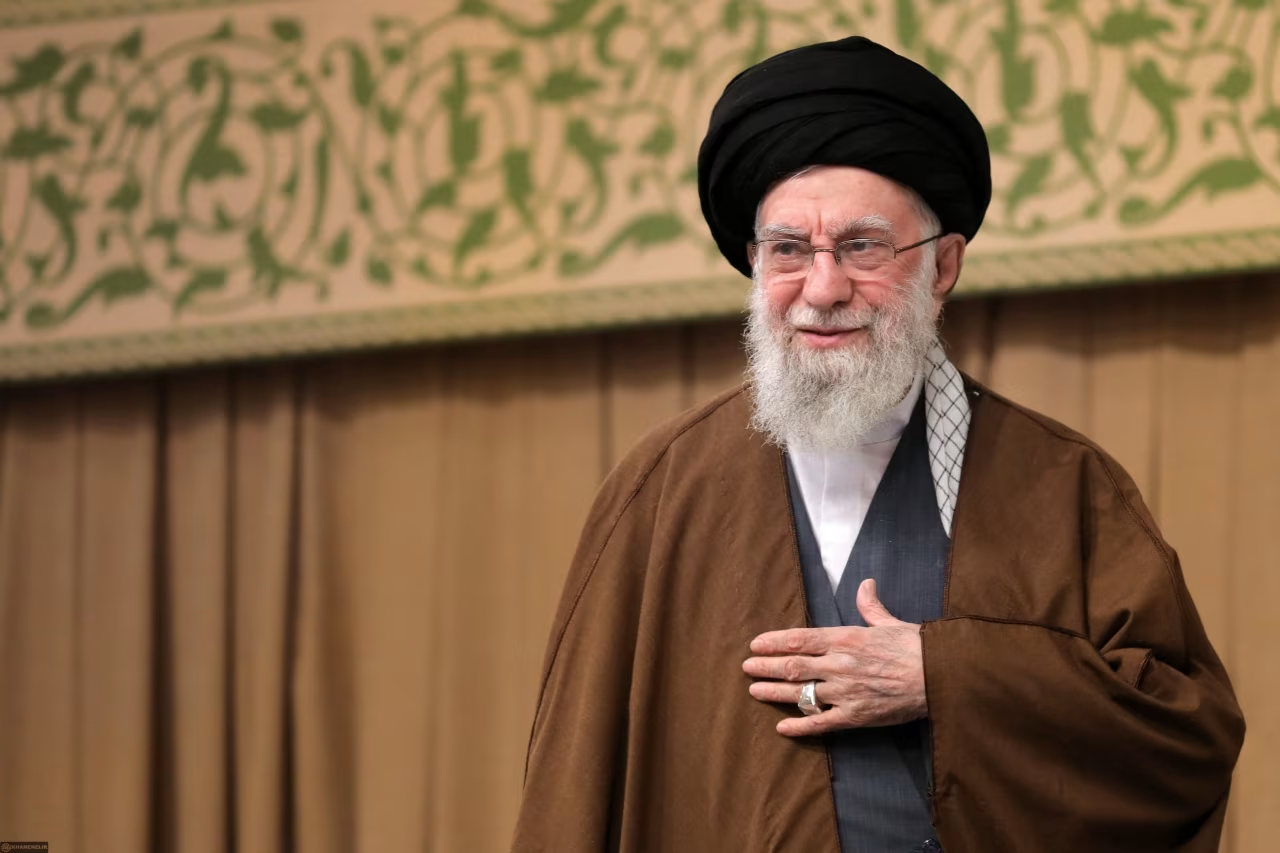

BEIRUT — The United States and Israel launched a series of coordinated airstrikes against Iran on Saturday, targeting military facilities, government buildings, and infrastructure in and around Tehran, according to Iranian state media and U.S. officials. President Donald Trump has since confirmed that Iran's Supreme Leader Ayatollah Ali Khamenei is dead, stating, "We feel that is a correct story" [citation:1].
President Trump confirmed the operation in a televised address, calling it a "massive and ongoing" campaign to "degrade Iran's ability to threaten regional stability." The strikes mark the most dramatic escalation in the decades-long conflict between Washington, its regional ally Israel, and the Islamic Republic.
Scope of the Attack
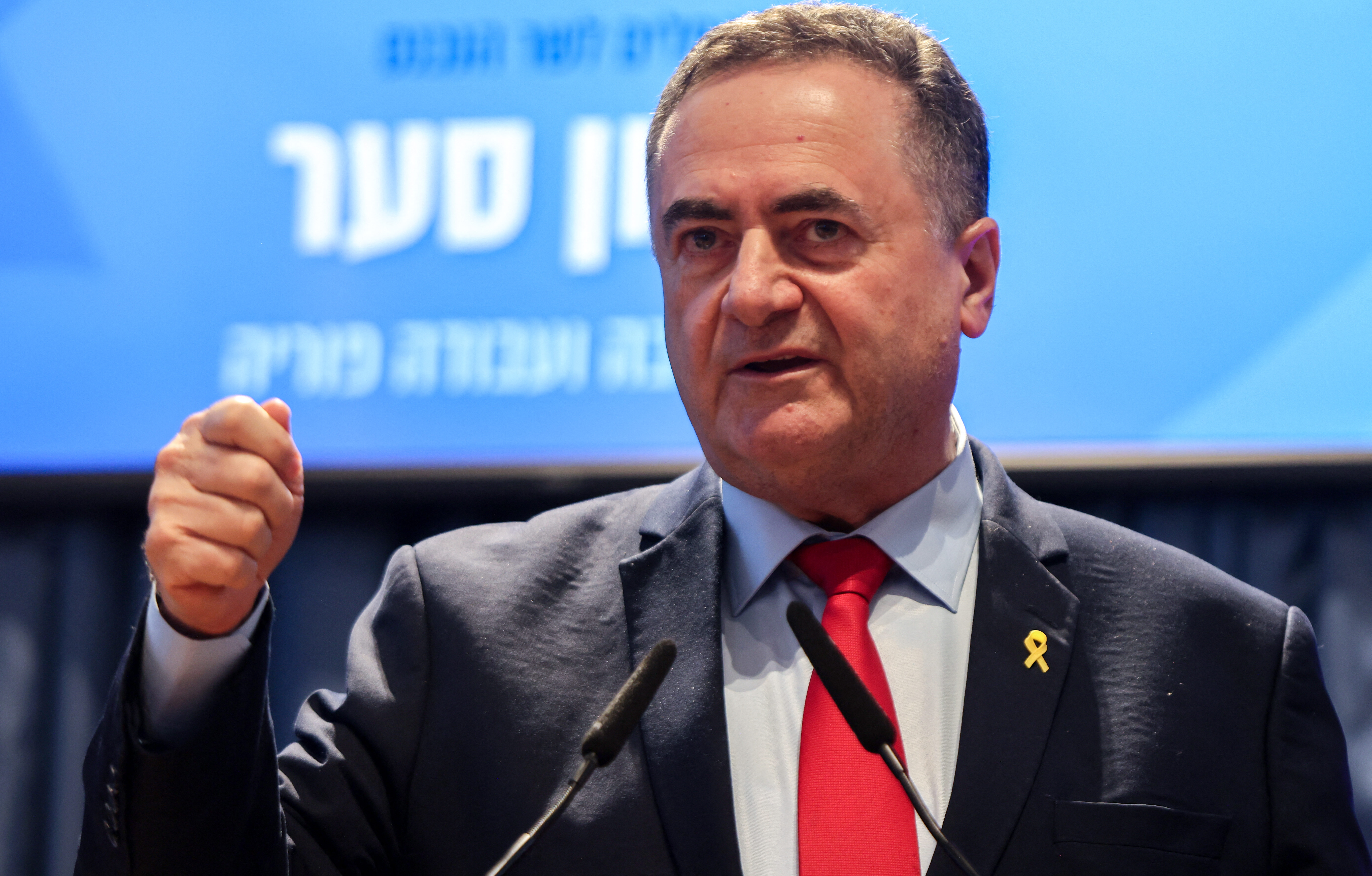
Israeli Defense Minister Israel Katz announced the operation as a "preemptive strike" against Iran, declaring a special state of emergency across Israel. The Israel Defense Forces said approximately 200 fighter jets completed "the largest ever military flyover in the history of the Israeli Air Force," dropping "hundreds of munitions targeting approximately 500 objectives" across western and central Iran [citation:1].
Targets included:
- The compound of Supreme Leader Ayatollah Ali Khamenei in Tehran, which satellite imagery shows sustained significant damage with multiple destroyed buildings [citation:1]
- Iran's Ministry of Intelligence and Ministry of Defense buildings
- The Iranian Atomic Energy Agency facility
- The Parchin military complex
- Multiple Islamic Revolutionary Guard Corps installations across the country
According to Israeli officials, the strikes "severely degraded the offensive capabilities of the Iranian regime" and eliminated "senior officials in the ayatollahs' regime, Revolutionary Guards commanders, senior figures in the nuclear programme" [citation:1].
Iranian state media reported that air defense systems intercepted several incoming missiles, but acknowledged "some damage" to targeted sites. The Iranian Red Crescent Society reported that at least 201 people have been killed and 747 injured across 24 of Iran's 31 provinces [citation:1][citation:6].
Devastating School Strike
In a particularly devastating strike, an all-girls elementary school in Minab County was hit, killing at least 85 students, according to the semi-official Mehr News Agency quoting the local prosecutor. An official said the school was "targeted by three missile attacks" [citation:4][citation:9]. Hossein Kermanpour, a spokesman for Iran's health ministry, said mostly "young martyrs" were killed at the school. Video verified by The New York Times showed black smoke billowing from a crumbling building whose walls were painted with pastel-colored flowers, as onlookers screamed and embraced [citation:4].
Trump Confirms Khamenei's Death
In a phone interview with NBC News, President Trump addressed reports of Khamenei's death, stating: "I have spoken to a lot of people, we feel that is a correct story" [citation:1]. Asked by ABC News if he knew "definitively," Trump said: "I don't want to say anything definitively until I see things but we believe he is. And much of their leaders are gone. Not only from the one site but two other sites that we attacked also" [citation:1].
In a post on Truth Social, Trump declared: "Khamenei, one of the most evil people in History, is dead. This is not only Justice for the people of Iran, but for all Great Americans" [citation:10]. Israeli Prime Minister Benjamin Netanyahu earlier said there were "growing signs that this dictator is no longer," confirming that Israel had destroyed Khamenei's compound [citation:1].
The IDF released images of seven senior Iranian officials it claimed to have eliminated, including Defense Minister Aziz Nasirzadeh, Revolutionary Guard commander Mohammad Pakpour, and Khamenei advisor Ali Shamkhani [citation:1].
However, conflicting reports persist. Iranian Foreign Ministry spokesman Esmail Baghaei told ABC News the supreme leader was "safe and sound," while the head of public relations at Khamenei's office said the reports were "psychological warfare" [citation:1]. BBC Persian reported that sources in Tehran described people in several neighborhoods cheering and sounding car horns after reports circulated that Khamenei had been killed [citation:1][citation:10].
Iran Retaliates Across Region
Within hours of the initial strikes, Iran launched widespread retaliatory missile attacks against American assets across the Middle East. The Islamic Revolutionary Guard Corps claimed responsibility for what it called "Operation Truthful Promise 4," saying it targeted U.S. military installations in several countries [citation:2].
Confirmed impacts include:
- Bahrain: The U.S. Navy's Fifth Fleet headquarters in Manama was struck, with huge plumes of black smoke seen rising from the area. Satellite imagery shows damage to multiple buildings [citation:2].
- Qatar: Al-Udeid Air Base, the largest U.S. military facility in the region, was targeted. Qatar's defense ministry said it intercepted several missiles, but an American radar and air defense system was destroyed [citation:2].
- UAE: Multiple explosions in Dubai and Abu Dhabi, with all flights suspended from both international airports. One civilian was killed by debris in Abu Dhabi. A luxury hotel on Dubai's Palm Jumeirah caught fire, injuring four people [citation:2][citation:7].
- Kuwait: Three troops were injured at Ali Al-Salem air base. Kuwait's Foreign Ministry condemned the attack as a "flagrant violation of Kuwait's sovereignty" [citation:5][citation:7].
- Jordan: The armed forces reported they "dealt with" 49 drones and ballistic missiles targeting its territory [citation:2][citation:7].
- Saudi Arabia: Iranian media reported attacks on King Fahd military base, though this was not officially confirmed. Saudi Arabia condemned the strikes [citation:7].
The Pentagon reported no U.S. casualties and minimal damage at U.S. bases despite "hundreds of Iranian missile and drone attacks," according to U.S. Central Command [citation:1][citation:6].
Israel Under Fire
Iran launched multiple waves of ballistic missiles toward Israel throughout Saturday. The Israeli military reported sirens sounding across the country, with impacts reported in Tel Aviv, Haifa, and the Galilee region. Emergency services reported 89 people "lightly injured," mostly from shrapnel or while running to shelters [citation:1]. An Iranian missile hit in the Tel Aviv area, with images showing firefighters outside badly damaged apartment buildings [citation:10].
Diplomatic Context
The military escalation comes just days after U.S. and Iranian negotiators concluded a second round of indirect talks in Geneva, mediated by Oman. Omani Foreign Minister Badr al-Busaidi, who mediated the talks, had met with U.S. Vice President JD Vance on Friday and posted on social media: "Peace is within our reach." Hours later, American and Israeli forces struck Tehran [citation:1].
Following the strikes, al-Busaidi said on X: "Active and serious negotiations have yet again been undermined. Neither the interests of the United States nor the cause of global peace are well served by this" [citation:5].
Speaking to Axios, Trump cited two main reasons for taking military action: the outcome of nuclear talks with Iran this week and the regime's record in sponsoring past attacks. "The Iranians got close and then pulled back — close and then pulled back. I understood from that that they don't really want a deal," Trump said [citation:1][citation:6].
Strait of Hormuz Threatened
The UK Maritime Trade Operations agency reported receiving multiple reports from vessels in the Gulf stating they had been informed about the closure of the Strait of Hormuz, though there has been no immediate confirmation from Iranian authorities [citation:3][citation:8]. The strait is a critical chokepoint through which approximately 20% of global oil passes.
International Reactions
Regional and international reactions have been mixed:
- China expressed concern and called for Iran's sovereignty to be respected [citation:5].
- Russia condemned the "unprovoked armed attack" and urged an immediate halt [citation:5].
- France's Macron said the escalation "carries grave consequences for international peace and security" [citation:5].
- Brazil condemned the attacks and called for maximum restraint [citation:5].
- Norway stated the attack "is not in line with international law" as preventive attacks require an immediately imminent threat [citation:5].
- UK Prime Minister Keir Starmer confirmed British planes "are in the sky today" in the Middle East as part of coordinated regional defensive operations [citation:1].
- Canada's Prime Minister Mark Carney expressed support for U.S. efforts to prevent Iran from obtaining nuclear weapons [citation:6][citation:7].
The U.N. Security Council scheduled an emergency meeting for Saturday afternoon. Secretary-General António Guterres said he "deeply regrets" that the opportunity for diplomacy had been "squandered" [citation:10].
U.S. Domestic Response
In Washington, the strikes drew mixed reactions. Republican leaders largely supported the action, with Senate Majority Leader John Thune saying the president "acted decisively."
Democratic Senator Tim Kaine called the strikes "dangerous, unnecessary, and idiotic," demanding the Senate return to session to vote on a War Powers Resolution. Former Vice President Kamala Harris issued a statement denouncing the attack, saying "Donald Trump is dragging the United States into a war the American people do not want" [citation:1].
Hundreds of protesters gathered around the White House opposing the strikes as part of a national day of action [citation:10].
The White House released images of Trump monitoring the operation from a makeshift situation room at his Mar-a-Lago estate in Florida, joined by CIA Director John Ratcliffe, Secretary of State Marco Rubio, and Chief of Staff Susie Wiles. Vice President JD Vance monitored from the White House Situation Room [citation:10].
Internet Blackout
Iran was experiencing a "near-total internet blackout," according to advocacy group NetBlocks, severely limiting information flow from inside the country [citation:6]. U.S. embassies in Qatar, UAE, Bahrain, Jordan, Israel and Karachi, Pakistan, told staffers to shelter in place and recommended all Americans do the same [citation:1].
LIVE UPDATES — SITUATION DEVELOPING RAPIDLY
This is a breaking news story. While President Trump has confirmed Khamenei's death, Iranian officials continue to deny these reports, and international news organizations face significant access restrictions inside Iran. Information remains fluid.
Share this dispatch
About the author
Political Theorist
Sidoc Haytu is a political theorist specializing in Marxism and the cultural politics of race and gender. He is the author of several essays on care work, wages, and the gendered division of labor.
All articles by Sidoc Haytu→